

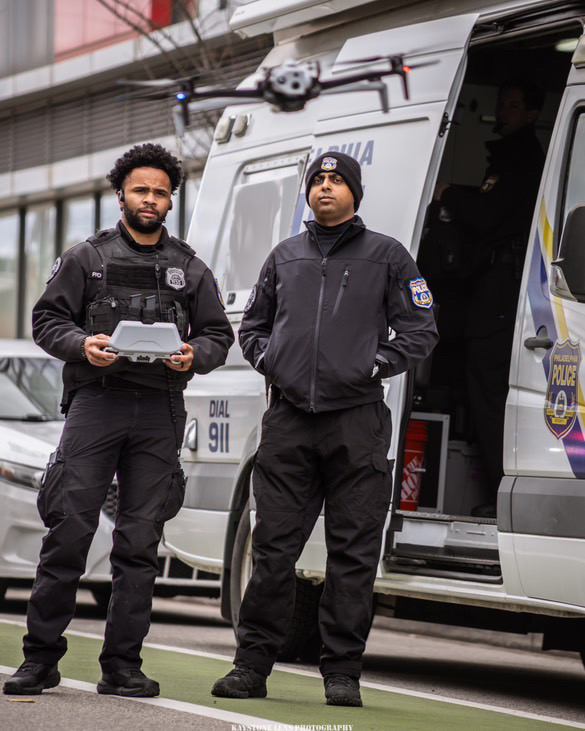
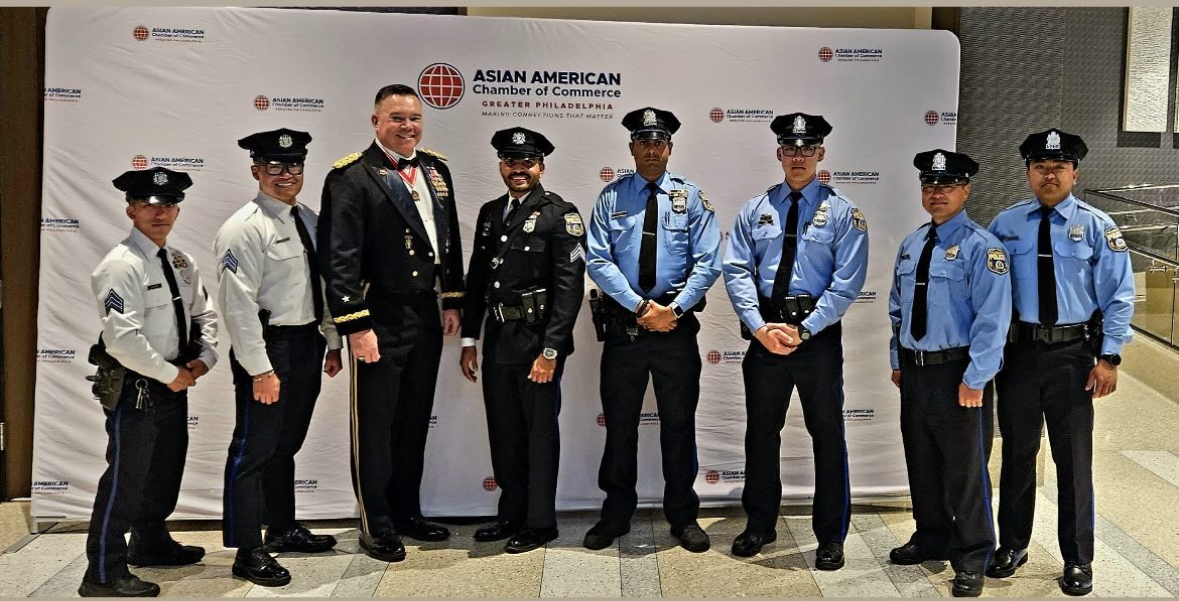

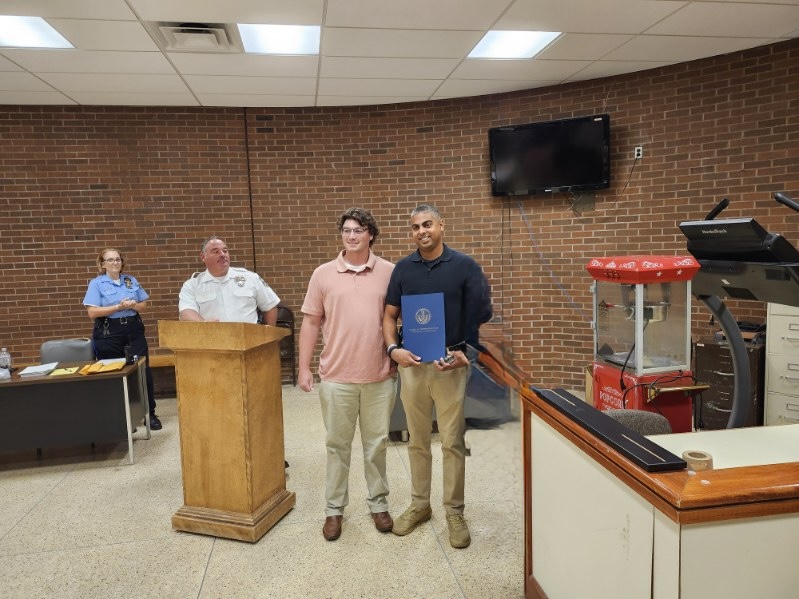
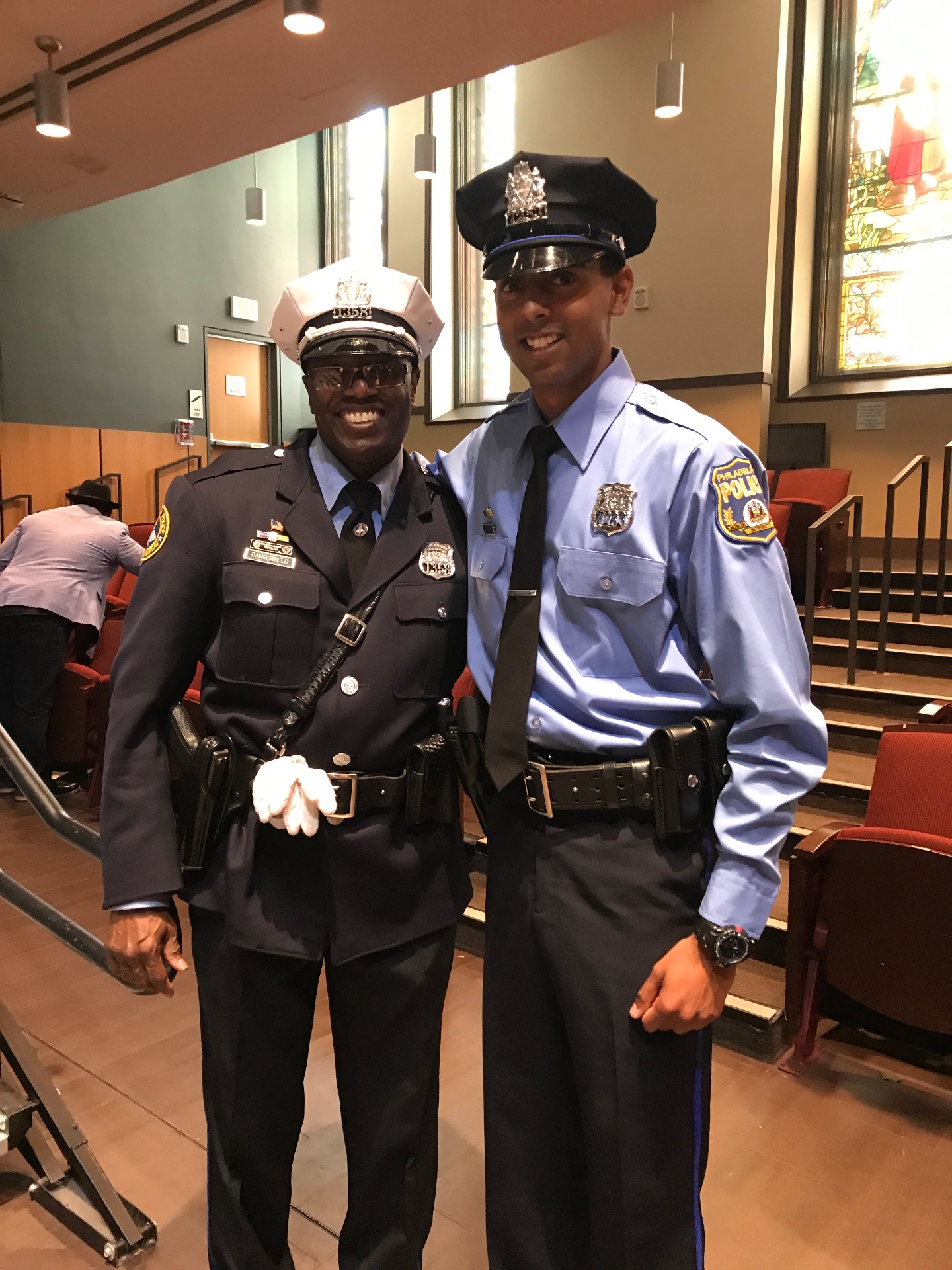
First Responder and Military Specialization
Counseling shaped by an understanding of public-safety and military culture, and the specific stressors that come with it.
First responders and military members often carry stress that looks different from what general counseling models were built around. Shift work, chain of command, exposure to repeated critical incidents, and a culture that prizes stoicism all shape how distress shows up and how comfortable someone is asking for help.
This specialization is built to start from that context, so clients don't have to spend early sessions explaining their world before the work can begin.
Police, fire, EMS, dispatch, corrections, active-duty service members, reservists, and veterans.
This also includes those who have recently transitioned out of a public-safety or military role and are adjusting to civilian life.
Reasons people reach out
- Repeated trauma exposure
- Hypervigilance
- Burnout
- Sleep disruption
- Relationship strain
- Moral injury
- Grief and loss
- Career transition
- Identity outside the role
- Anger and emotional withdrawal
- Critical-incident stress
- Fear of professional consequences
Clinical information is handled according to applicable professional, ethical, privacy, and legal requirements. Limits of confidentiality are reviewed before services begin.
The first consultation is a free, 15-minute conversation to talk through what's going on, answer questions about the process, and determine whether this is a good fit. There is no obligation to continue, and no clinical intake is required to have this conversation.
Partners and family members carry their own version of this stress — secondary trauma, deployment or shift-work cycles, and the day-to-day adjustments of loving someone in a high-stress role. Counseling is also available for spouses, partners, and family members who want support navigating these dynamics.
Some situations call for a higher level of care than outpatient counseling can provide, including acute safety concerns, severe substance use, or symptoms that require intensive or inpatient treatment. When that's the case, referrals to appropriate resources will be discussed as part of the consultation process.