

The Tactical Readiness Integration Program
Embedded Mental Health Support Designed for Public-Safety Agencies
The Tactical Readiness Integration Program (TRIP) brings recurring, culturally informed mental health support directly into public-safety organizations. TRIP helps agencies improve access to care, strengthen existing wellness resources, and support personnel before stress, trauma, or operational demands become a crisis.
Why Agencies Choose TRIP
Traditional mental health resources are often available only after an employee reaches a crisis point or independently seeks outside care. TRIP creates a more accessible and familiar pathway by integrating recurring clinical support into the agency environment while complementing existing peer-support, EAP, CISM, and wellness programs.
Core TRIP Services
Recurring Agency Access
Scheduled onsite, virtual, or hybrid mental health availability for agency personnel.
Confidential Counseling and Readiness Check-Ins
Individual support focused on stress, trauma, relationships, burnout, performance, and personal well-being.
Critical-Incident Follow-Up
Structured support following shootings, serious injuries, fatalities, traumatic calls, or other critical events.
Peer-Support and Leadership Consultation
Clinical consultation that strengthens peer-support programs and helps leaders respond appropriately to employee wellness concerns.
Briefings, Workshops, and Family Education
Roll-call briefings, wellness education, training sessions, and programming for employees and their families.
Referral and Care Coordination
Connections to higher levels of care, specialized providers, treatment programs, and additional community resources when necessary.
Program Goals and Organizational Benefits
TRIP is designed to support:
- Earlier engagement with mental health resources
- Better continuity after critical incidents
- Stronger coordination between peer and clinical support
- Improved access for shift-based personnel
- Support for employees and families
- Workforce wellness and organizational readiness
Organizations TRIP Can Support
Flexible Programs for Agencies of Different Sizes
Agency Access
Recurring counseling and employee mental health support.
Limited monthly or biweekly availability.
- Confidential individual support
- Readiness check-ins
- Virtual or onsite access
- Referral coordination
Agency Readiness Plus
Counseling, critical-incident follow-up, briefings, and agency consultation.
Recurring weekly or biweekly partnership.
- Everything in Agency Access
- Critical-incident follow-up
- Peer-support consultation
- Leadership consultation
- Briefings and psychoeducation
Comprehensive Agency Readiness
A customized, integrated mental health and wellness partnership.
Ongoing agency-wide support.
- Everything in Agency Readiness Plus
- Family-readiness programming
- Workshops and training
- Program-development consultation
- Referral-network development
- Utilization and program review
Start with a Customized TRIP Pilot
Agencies that are not ready for a long-term agreement may begin with a limited pilot program. Pilot engagements can be customized by location, unit, schedule, service type, and duration.
Program pricing is customized based on agency size, service frequency, location, employee population, scheduling requirements, travel, and selected services.
How TRIP Is Implemented
Agency Consultation
Discuss the agency's needs, workforce, current resources, and desired level of support.
Readiness Assessment
Review scheduling, staffing, critical-incident needs, peer-support resources, and service-access barriers.
Customized Proposal
Develop a recommended scope of services, schedule, implementation plan, and contract structure.
Program Launch
Introduce TRIP to employees and begin scheduled services.
Program Review
Review utilization, agency feedback, service needs, and opportunities for continued development.
Guided by the Tactical Readiness Approach
TRIP is guided by the NOVA Readiness Tactical Readiness Approach, a mission-focused framework that combines clinical care, operational understanding, practical intervention, and culturally informed engagement.
Establish trust, psychological safety, clarity, confidentiality expectations, and an understanding of the individual or organization's needs.
Tailor support to the person's culture, role, environment, responsibilities, goals, and current challenges.
Develop practical strategies that support recovery, connection, performance, personal growth, and sustainable readiness.
Operational Experience Meets Clinical Care
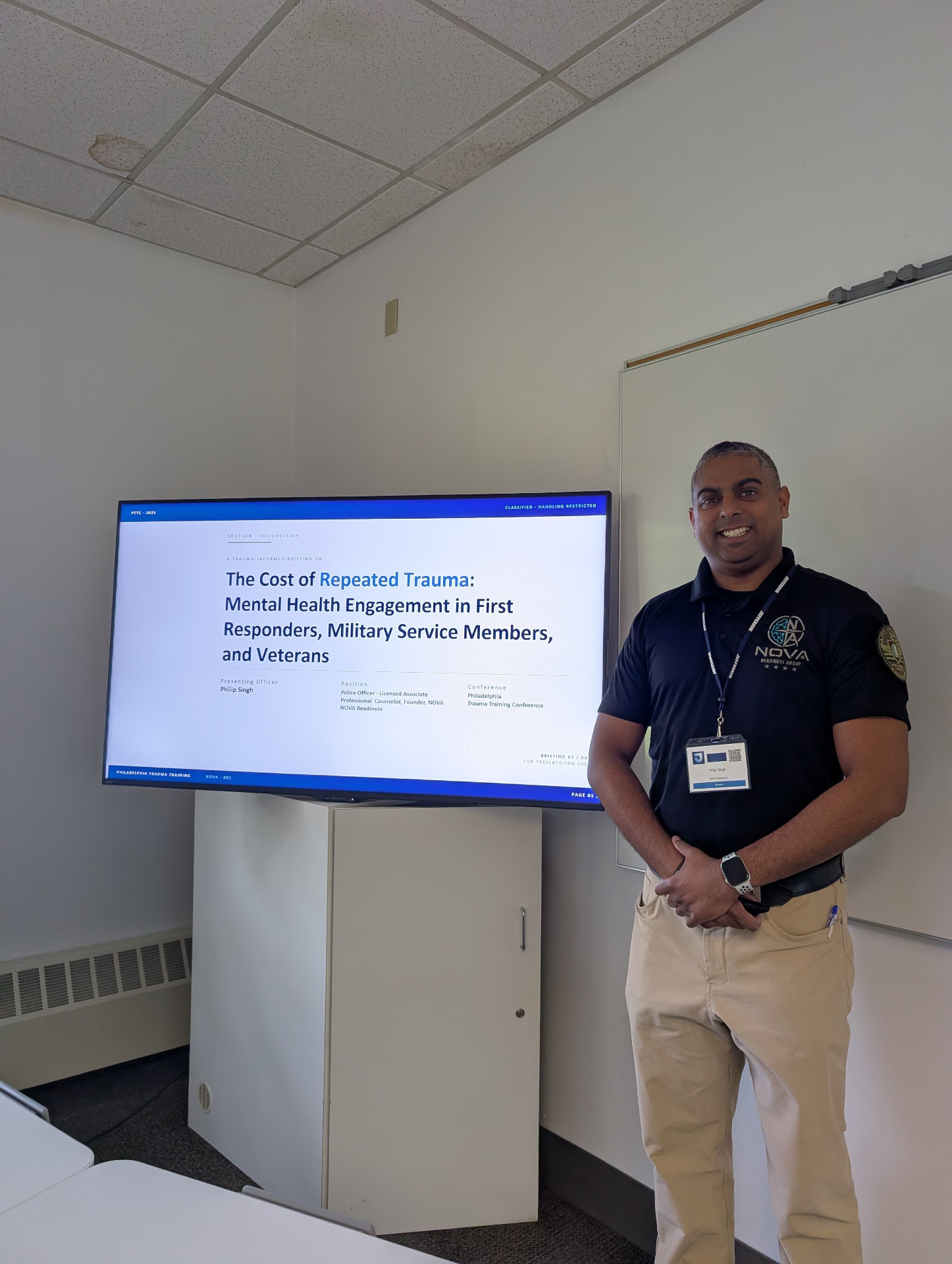
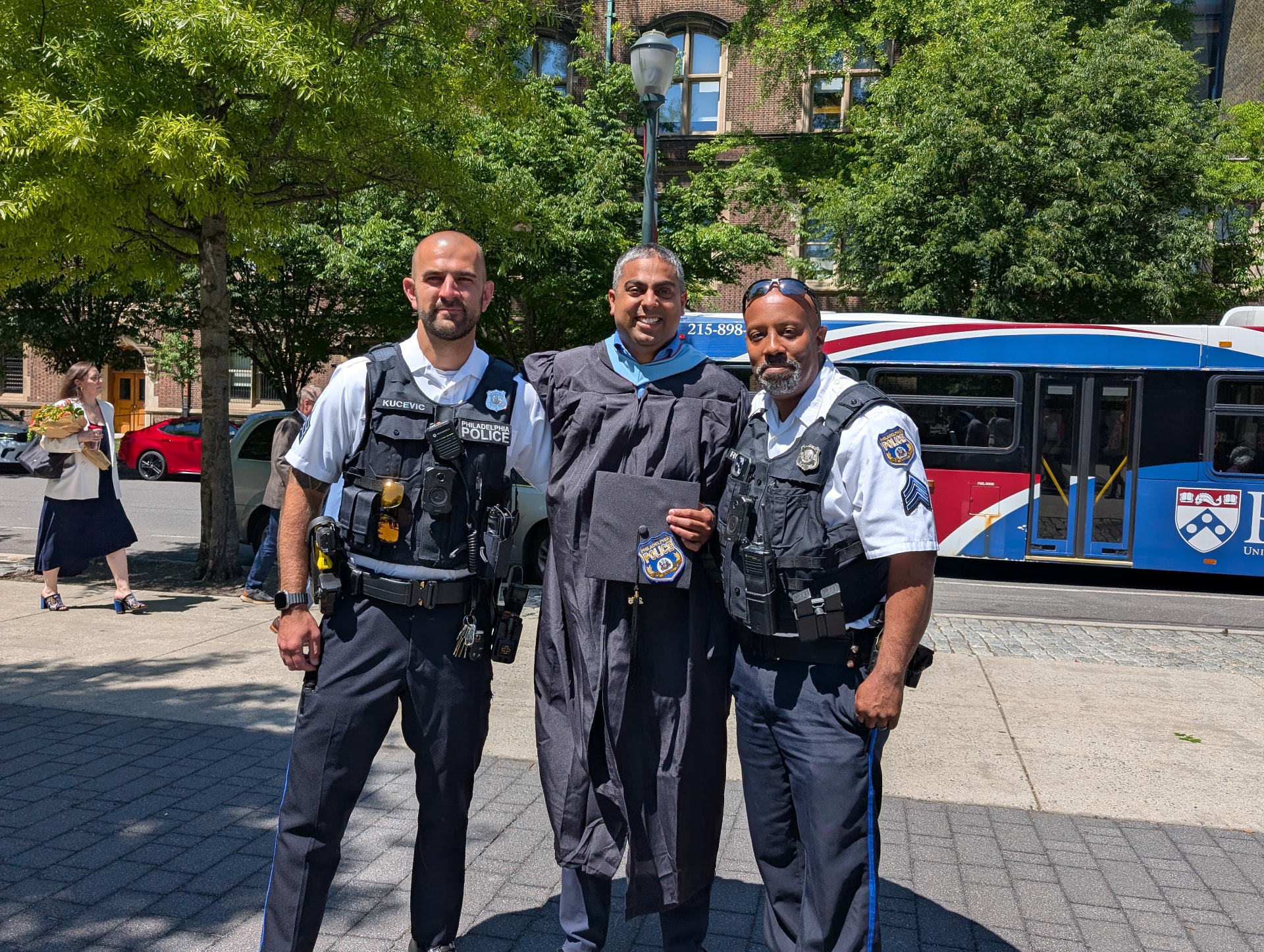
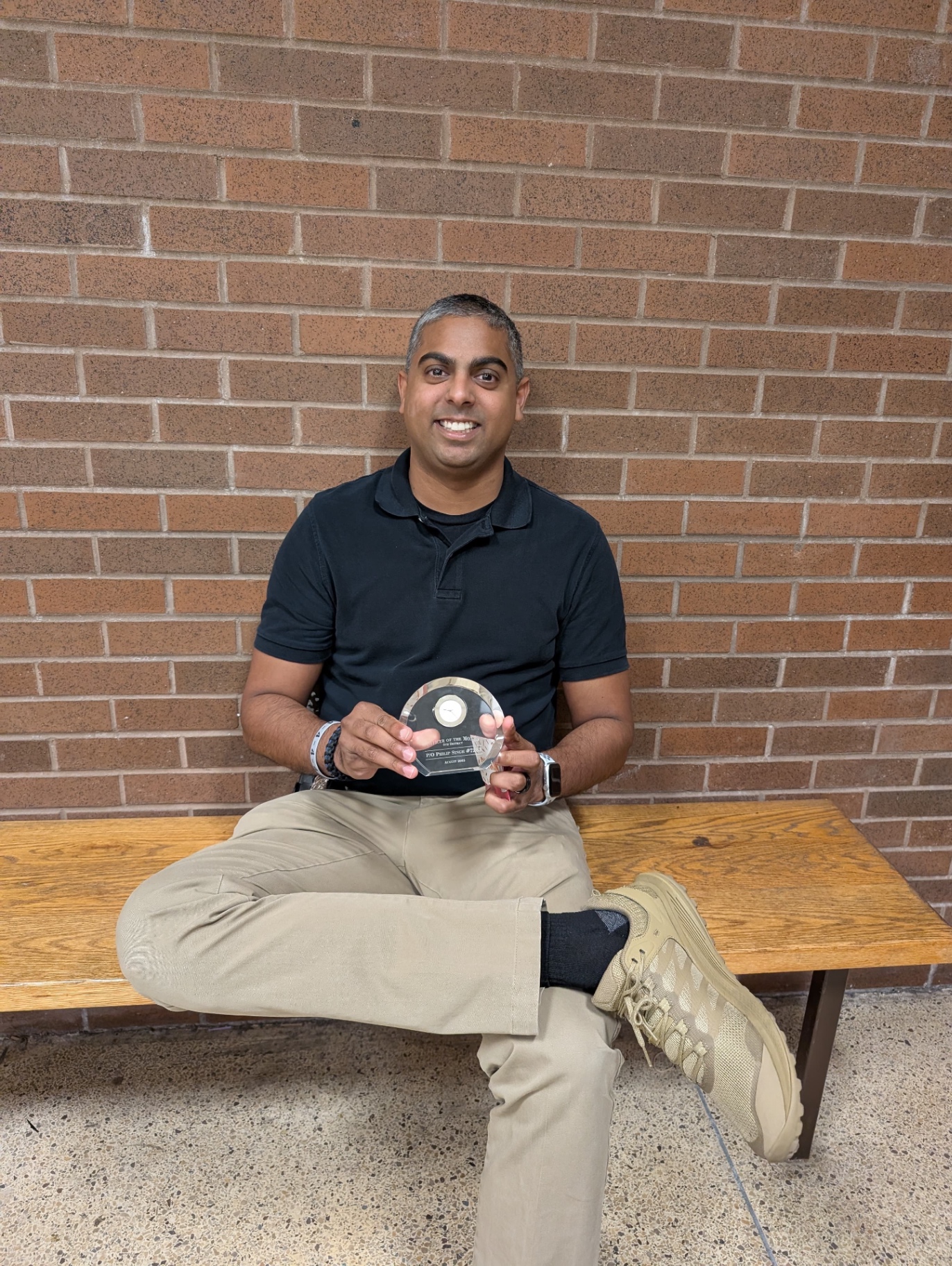
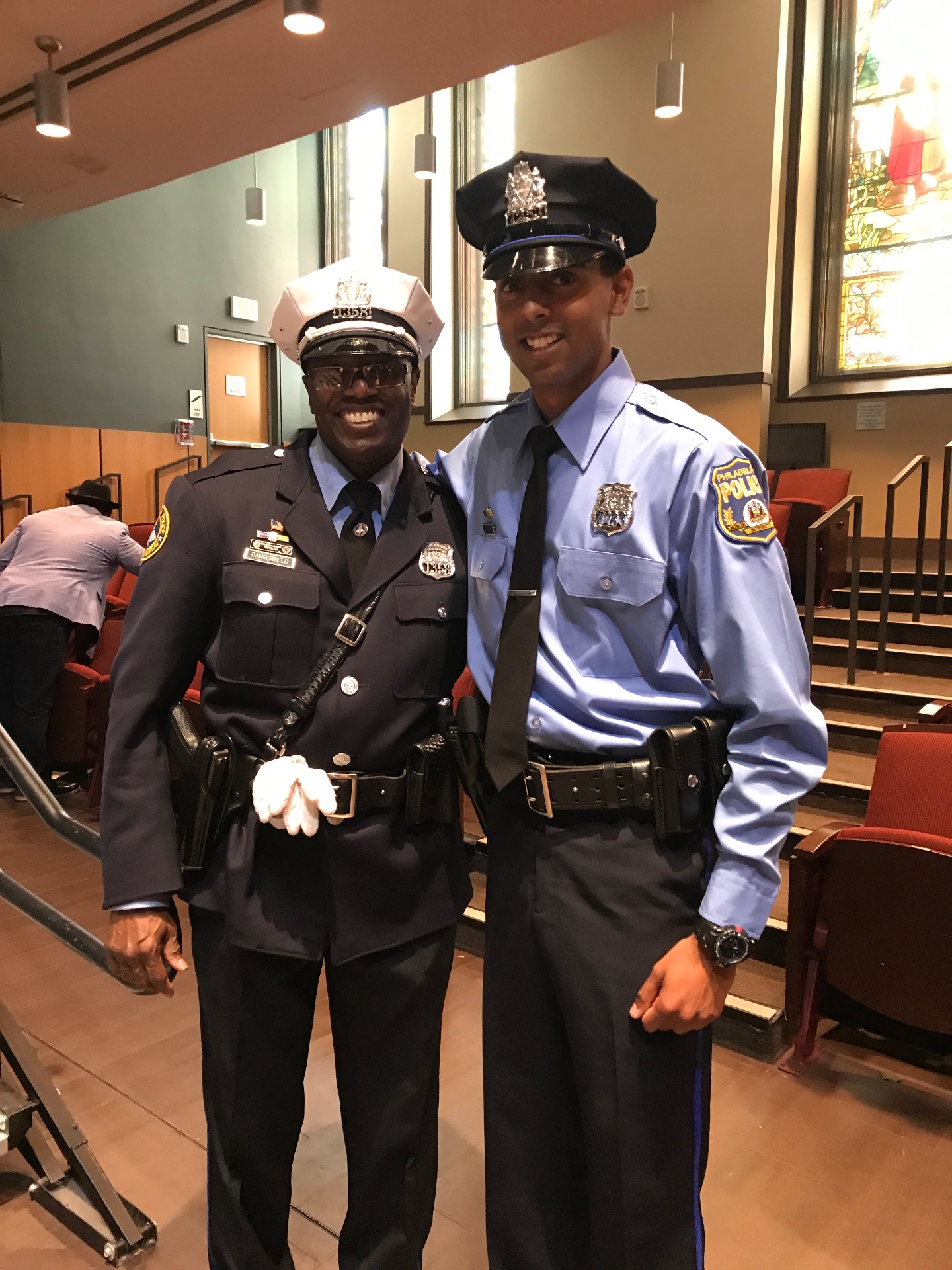
TRIP was developed by Philip Singh, founder of NOVA Readiness. His background combines active-duty law-enforcement experience, peer support, critical-incident response, graduate clinical education, and specialized mental health training with first responders and military personnel. Philip Singh, LAPC, is a Pennsylvania Licensed Associate Professional Counselor (License No. APC002590) practicing under the clinical supervision of Colleen Tate, LPC.
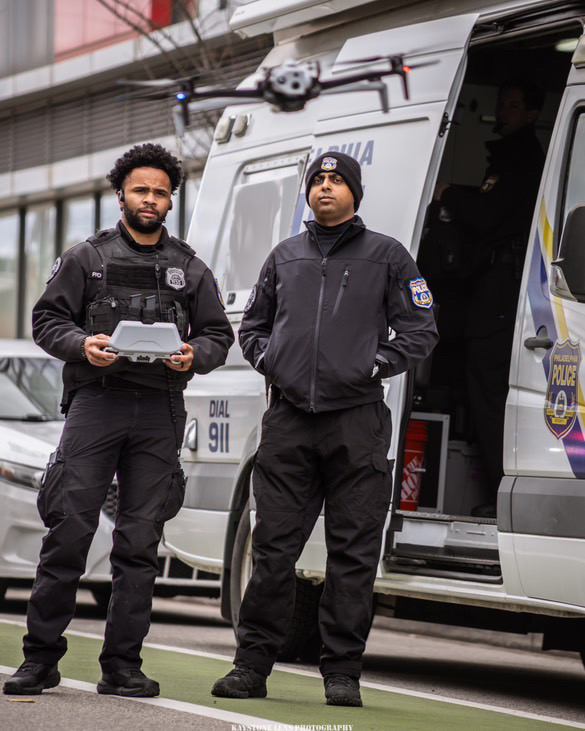
- Active-duty Philadelphia police officer, approximately ten years of law-enforcement experience
- Pennsylvania Licensed Associate Professional Counselor (License No. APC002590)
- Full-time peer-support member
- Member of the Philadelphia Police Commissioner's Critical Incident Stress Management Team
- Master's degree in Mental Health and Counseling from the University of Pennsylvania
- Two years of clinical training with Penn Medicine Princeton House Behavioral Health's First Responder and Military Program
- Founder of NOVA Readiness and developer of the Tactical Readiness Approach
Clinical services are provided within the provider's authorized professional scope and in accordance with applicable supervision, ethical, privacy, and licensure requirements.
Learn More About NOVA ReadinessConfidentiality and Agency Integration
TRIP is designed to strengthen—not replace—an agency's existing wellness resources. Services may be coordinated with EAP programs, peer-support teams, CISM resources, agency leadership, unions, and outside treatment providers while maintaining appropriate clinical confidentiality and professional boundaries.
Frequently Asked Questions
01Does TRIP replace our existing EAP?+
No. TRIP is designed to complement existing EAP, peer-support, CISM, wellness, and external treatment resources.
02Can services be provided onsite?+
Yes. Services may be delivered onsite, virtually, or through a hybrid structure depending on agency needs, available space, scheduling, and contractual arrangements.
03How is employee confidentiality protected?+
Clinical services are provided in accordance with applicable ethical, privacy, legal, and professional requirements. Individual clinical information is not shared with the agency without appropriate authorization, except when disclosure is legally required.
04Can TRIP support critical-incident response?+
Yes. Critical-incident follow-up, individual support, consultation, referrals, and other services may be included based on the agency's needs and contract.
05Can TRIP work with our peer-support team?+
Yes. TRIP can provide consultation, clinical support, training, referral coordination, and collaboration with existing peer-support and CISM resources.
06How are contracts and pricing structured?+
Pricing is customized based on agency size, number of locations, service frequency, delivery format, staffing needs, travel, training, and the selected scope of services.
The Tactical Readiness Integration Program (TRIP) is customized to complement, not replace, an agency's emergency procedures, Employee Assistance Program, peer-support team, Critical Incident Stress Management program, human-resources processes, medical services, or existing clinical and wellness resources.
The roles and responsibilities of NOVA Readiness, the contracting agency, agency leadership, employees, peer-support personnel, and outside providers will be established through a written service agreement.
Clinical confidentiality, informed consent, documentation, emergency procedures, mandatory reporting, employee eligibility, recordkeeping, organizational communication, and the limits of confidentiality will be clearly addressed before services begin.
NOVA Readiness will not provide agency leadership with identifying clinical information without appropriate authorization or another legally and ethically permitted basis.
Bring the Tactical Readiness Integration Program to Your Agency
Whether your organization is exploring a pilot program, recurring employee support, critical-incident services, or a comprehensive mental health partnership, NOVA Readiness can develop a TRIP structure aligned with your workforce and operational needs.